

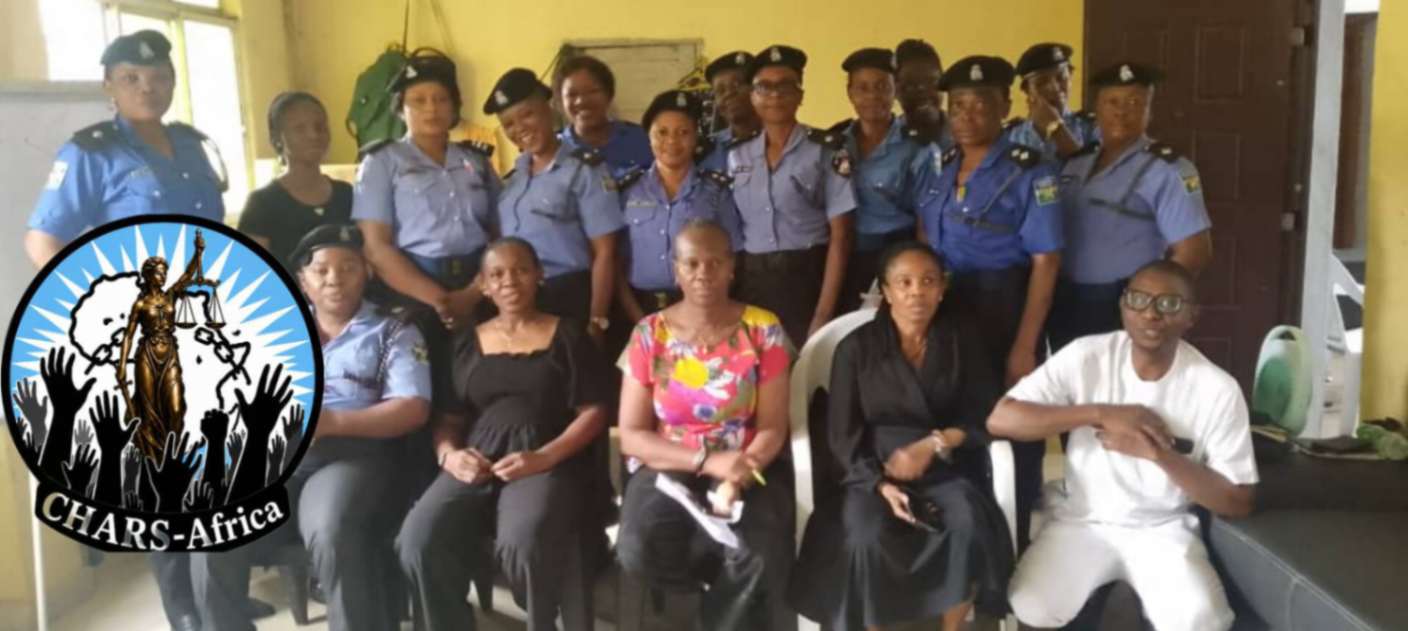
The African Centre for Human Advancement and Resource Support (CHARS-Africa), with support from the Urgent Action Fund–Africa (UAF-Africa), has organised a capacity-building workshop for police officers in Aba to strengthen the implementation of the Abia State Centre for the Rehabilitation of Survivors of Rape, Defilement, Domestic Violence and Human Trafficking Law, 2026.

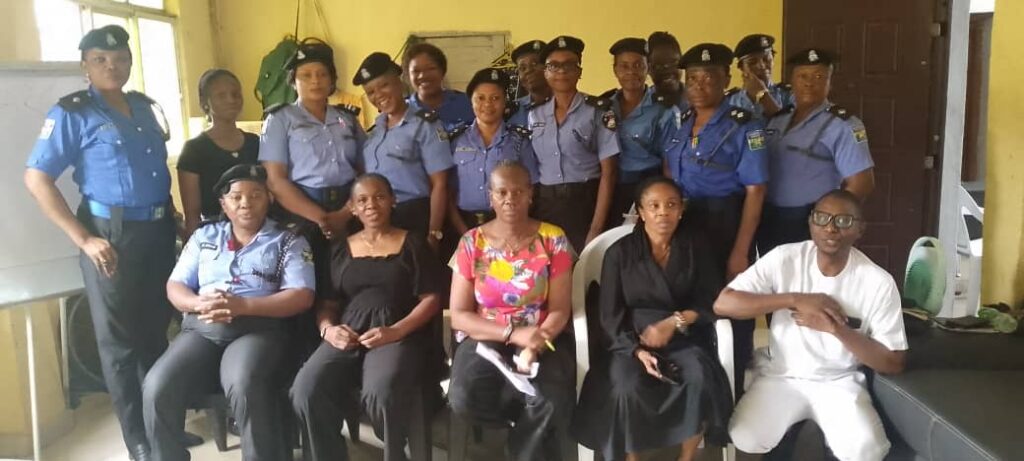
The one-day workshop, held on Wednesday, August 6, 2026, at the Aba Area Command Headquarters of the Nigeria Police Force, brought together officers serving in the Juvenile, Women and Children (JWC), Human Rights and Gender Units of the Aba Area Command.
According to the organisers, the training was designed to sensitise officers on the provisions of the rehabilitation law while equipping them with the knowledge and skills required to provide survivor-centred support to victims of gender-based violence (GBV).
The workshop also sought to enhance participants’ understanding of GBV, strengthen survivor-centred approaches to policing, improve referral pathways and case management, promote coordinated responses among stakeholders, and increase awareness of the Abia State Rehabilitation Law, 2026.
The programme commenced at 10:00 a.m. with the rendition of the National Anthem, participant introductions, opening remarks by Amaka Biachi, Esq., and a pre-training assessment.
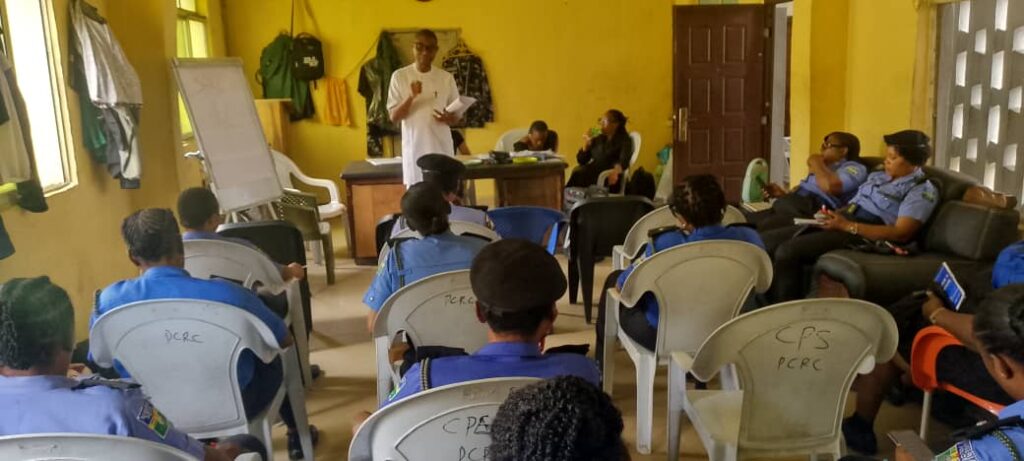
The training featured two technical sessions. The first focused on the roles of frontline responders under the Abia State Centre for the Rehabilitation of Survivors of Rape, Defilement, Domestic Violence and Human Trafficking Law, 2026. The second session examined gender-based violence with emphasis on survivor-centred principles and the coordination of referral pathways.
During his presentation, Chuka Okoye highlighted the importance of adopting a survivor-centred approach in handling GBV cases, explaining the key principles that should guide frontline responders in providing support to survivors.
Participants identified the complicity of some community leaders and families of survivors as major obstacles to addressing gender-based violence. They recommended intensified community sensitisation to improve public awareness and encourage support for survivors.
The participants also underscored the need for the establishment of a juvenile remand centre in Abia State to strengthen the state’s response to cases involving children and young offenders.
Results from the workshop’s pre- and post-training assessments indicated improved knowledge of the rehabilitation law, a better understanding of survivor-centred policing, increased appreciation of referral pathways, and a stronger commitment among participants to coordinated responses to gender-based violence.
The organisers noted that the interactive learning format enhanced participation, with many officers expressing the need for regular refresher training to sustain the knowledge gained during the programme.
Among the recommendations made at the end of the workshop were the institutionalisation of periodic training for frontline responders, strengthened collaboration between the police and other relevant stakeholders, and the extension of sensitisation and training programmes to communities across the state.
The workshop concluded at 3:05 p.m. with refreshments, group photographs and closing prayers. In her closing remarks, Amaka Biachi thanked the participants for their active engagement and encouraged them to remain diligent in implementing the provisions of the Abia State Rehabilitation Law in the discharge of their duties.