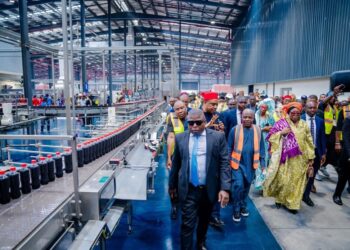


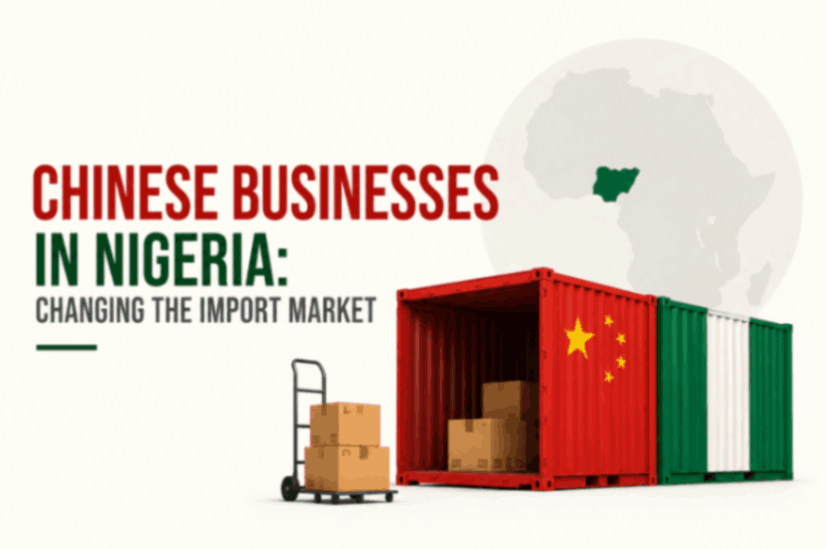
For years, Nigerian traders travelled to China, imported finished products and built profitable businesses selling them at home. But that model is changing as Chinese businesses increasingly move closer to the Nigerian consumer through manufacturing, warehouses, distribution and retail.
If your business depends on importing goods from China into Nigeria, there is a major shift in the market that you should not ignore.
The traditional China-Nigeria trade model has been relatively simple: Nigerian businessmen and women travel to China, identify products, negotiate with manufacturers or wholesalers, ship containers to Nigeria and distribute the goods through local markets.
That model has created generations of successful Nigerian importers.
But an emerging trend is changing the equation.
Chinese businesses are increasingly participating in more stages of the Nigerian supply chain—from manufacturing and wholesale distribution to warehousing and, in some cases, direct sales.
The development could create new opportunities for Nigerian businesses, but it could also put pressure on traders whose businesses depend almost entirely on importing finished products.
From Chinese Suppliers to Competitors in the Nigerian Market
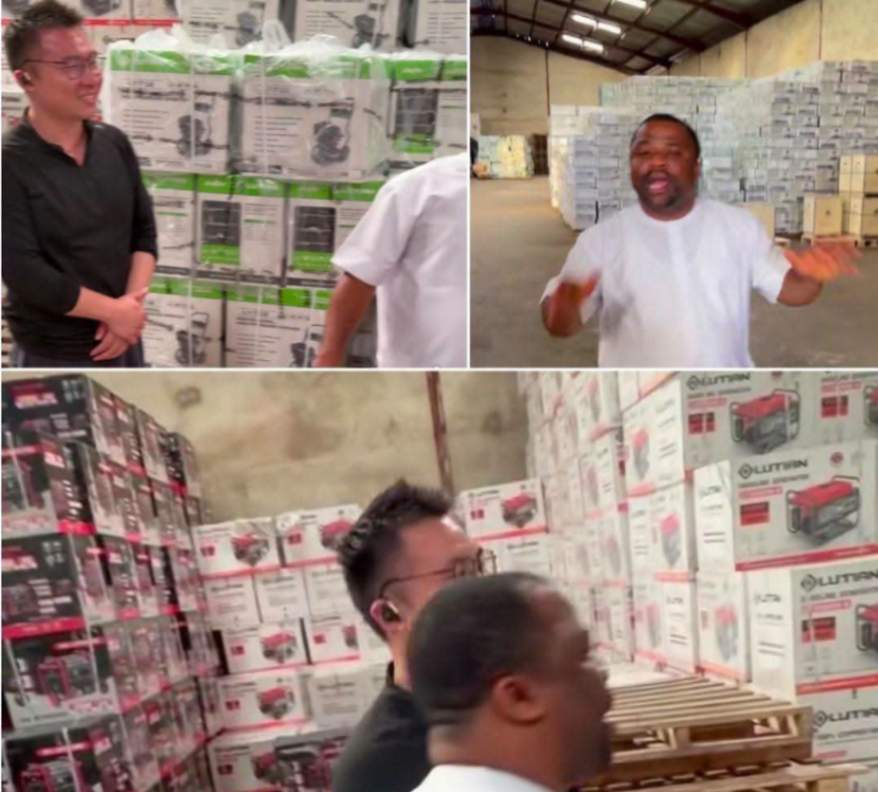
Consider a scenario shared by an industrialist in Onitsha.
According to the account, a Nigerian importer had been bringing in large quantities of products from China, including shovels, pans and other building-related items.
The business was reportedly doing well until one of his Chinese suppliers established a retail warehouse in Asaba.
The warehouse began selling similar products directly to the Nigerian market at competitive prices.
The result, according to the account, was a significant reduction in the Nigerian importer’s orders.
Whether viewed as an isolated business experience or part of a wider trend, the lesson is important: the manufacturer or supplier you depend on overseas can eventually become a competitor in your home market.
And that changes the risk involved in relying solely on importation.
China Is Already Manufacturing in Nigeria
The shift from exporting goods to Nigeria to producing some goods inside Nigeria is not entirely new.
Research into Chinese manufacturing investment in Nigeria has documented Chinese involvement in sectors including furniture, ceramics, steel, packaging, household appliances and vehicle assembly. Ogun State has been a particularly important location for Chinese-linked industrial activity.
The Ogun-Guangdong Free Trade Zone, for example, was established through cooperation involving the Ogun State Government and Guangdong Province. Research on the zone has documented companies involved in ceramics, packaging, furniture, steel and other manufacturing activities.
More recently, Ogun State itself has continued positioning the state as a major manufacturing and industrial hub, highlighting opportunities for large-scale factories, distribution centres, smart warehouses and integration into global production chains.
This means the idea of Chinese businesses moving closer to Nigeria’s consumers is not simply speculation.
Parts of that transition have already happened.
The Importer Could Be Losing Control of the Value Chain
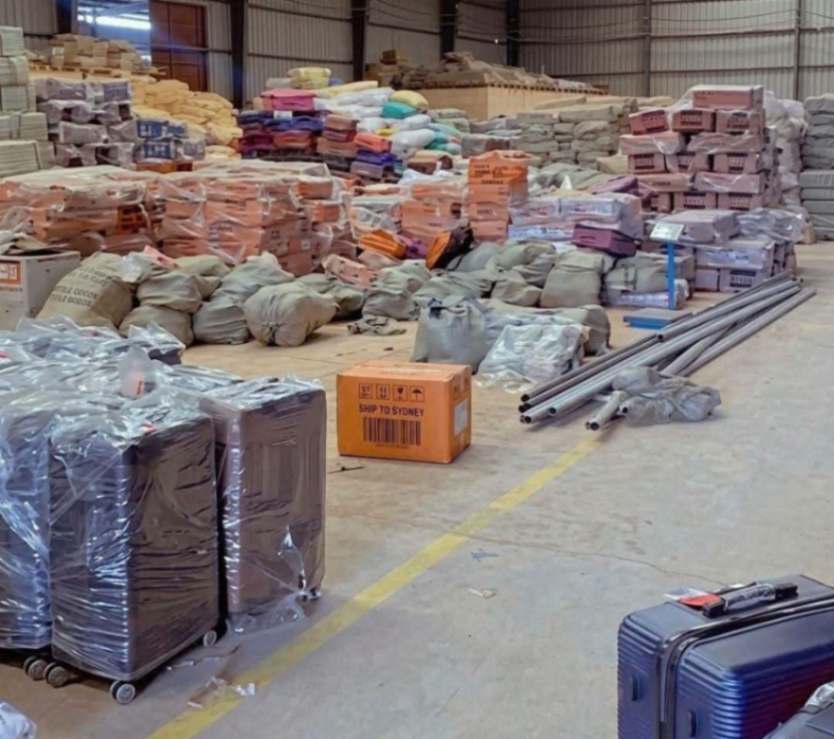
For many Nigerian entrepreneurs, importing has historically been the business.
- Buy in China.
- Ship to Nigeria.
- Store the goods.
- Sell to retailers.
- Make a profit.
But there is a vulnerability in that model.
If the manufacturer decides to establish a warehouse in Nigeria, the supply chain becomes shorter.
If the manufacturer eventually establishes a factory, it becomes shorter still.
And if that manufacturer combines production with wholesale distribution and retail, the traditional importer could find himself competing against the very company that previously supplied him.
That is why Nigerian entrepreneurs need to start thinking beyond the question:
“What product can I import from China?”
The more important question may become:
“What part of the value chain can I own?”
The Traveling Bag Business Offers a Lesson
The Nigerian traveling-bag business provides a useful illustration of how quickly an import-dependent market can change.
For years, Nigerian traders travelled to China to purchase bags in large quantities and bring them back home for distribution.
Successful traders built substantial businesses from the trade.
But the long-term opportunity was not simply in importing bags.
It was in understanding how the products were made.
What happened to the machinery?
What happened to production?
What happened to wholesale distribution?
And who would eventually own those parts of the business?
The lesson for Nigerian entrepreneurs is straightforward: when a product has a large and sustainable market, importing it may only be the first stage of the opportunity.
Production can eventually become the bigger opportunity.
Chinese Businesses Could Create Opportunities for Nigerians Too
It is easy to look at the growing presence of Chinese companies only as a threat to Nigerian traders.
That would, however, overlook another side of the story.
Every factory, warehouse or distribution centre requires an ecosystem around it.
Manufacturers need:
- Raw materials
- Packaging
- Transport and logistics
- Warehousing
- Equipment maintenance
- Power solutions
- Construction services
- Skilled workers
- Security
- Accounting and professional services
- Local distributors
- Retailers
That creates opportunities for Nigerian businesses willing to position themselves within the supply chain.
The goal, therefore, should not necessarily be to fight foreign investors.
The bigger opportunity may be to build businesses that supply, support, partner with or compete effectively within the new industrial ecosystem.
Nigerian Entrepreneurs Need to Move From Importation to Production
For entrepreneurs with sufficient capital, this may be the time to seriously examine local manufacturing.
That does not mean everyone needs to build a huge factory.
A business could start with one machine, one product and a clearly defined market.
Others could pool resources through business associations, cooperative groups, professional networks or social clubs to acquire machinery and establish production businesses.
Instead of ten businessmen operating ten separate shops selling imported products, for example, a group could potentially invest in a production facility and share ownership of the business.
That approach could create something much more sustainable than simply competing for customers in crowded markets.
The Lock-Up Shop Model May Face More Pressure
Nigeria’s traditional commercial model has produced thousands of successful businesses based around shops and trading.
But retail businesses could face increasing pressure when manufacturers and large distributors begin operating closer to consumers.
- A factory can produce at scale.
- A warehouse can distribute at scale.
- A large distributor can negotiate better prices.
And a company with sufficient resources can spend heavily on marketing, including social media influencers and digital advertising.
The small trader therefore needs to find a competitive advantage.
That advantage could come from specialisation, customer relationships, local distribution, after-sales service, manufacturing, branding or controlling part of the supply chain.
Don’t Fight the Trend—Find Your Place in It
The biggest mistake Nigerian entrepreneurs could make is to ignore the change until it affects their businesses directly.
Chinese businesses have demonstrated their ability to compete globally through manufacturing scale, supply-chain efficiency and aggressive market expansion.
Nigeria, with its huge consumer market, remains an important destination for businesses seeking growth.
The response from Nigerian entrepreneurs should not simply be fear.
It should be preparation.
If you import goods from China, study the product you are selling.
Find out who manufactures it.
Understand how it is produced.
Learn what machinery is required.
Calculate what it would cost to manufacture locally.
Look for Nigerian raw materials.
Identify the logistics businesses that support the sector.
And most importantly, determine where you can create value that cannot easily be replaced.
Nigeria’s Next Business Opportunity May Be in the Value Chain
For decades, many Nigerian entrepreneurs became wealthy by importing finished products.
That model should not be dismissed. Importation remains an important part of international trade.
But businesses that depend entirely on importing finished products could become increasingly vulnerable as more manufacturers move closer to their customers.
The emerging opportunity is therefore not simply China versus Nigerian traders.
It is about whether Nigerian entrepreneurs will remain at the end of the supply chain—or move higher up the chain.
The entrepreneurs who begin investing in manufacturing, machinery, distribution, logistics, packaging, raw materials and other supporting industries could be better positioned for the next phase of Nigeria’s consumer market.
The message for importers is simple:
- Don’t wait until your Chinese supplier becomes your competitor before you rethink your business model.
The next generation of successful Nigerian entrepreneurs may not be those who import the most containers.
They may be the ones who eventually own the machines producing what used to arrive inside those containers.
For Advertisement, Press Release, Sponsored Post and Tip-Off, Contact Us at: Email: Info@abacitybloq.com |Whatsapp: +2347038111972 | Telegram: @Abacityblog