

The intersection of religious observance and traditional governance often serves as the bedrock of social cohesion in Southeastern Nigeria.
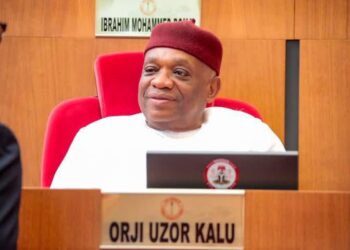
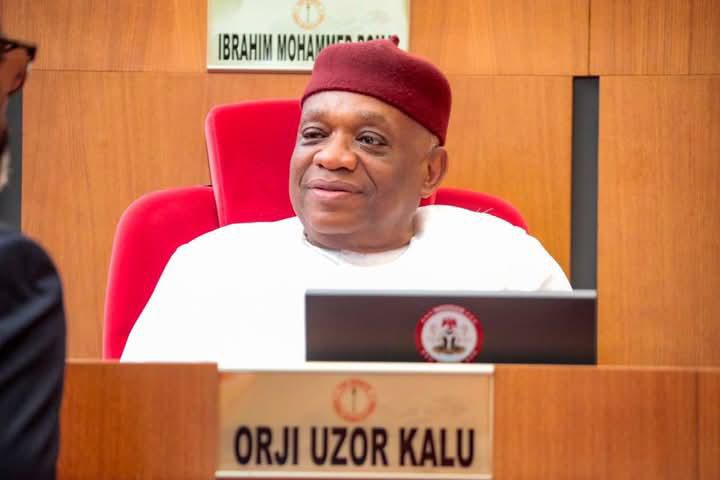
During the 2026 Easter season, Senator Orji Uzor Kalu, representing Abia North Senatorial District, navigated this intersection through a series of high-level engagements that blended spiritual advocacy with deep-rooted cultural diplomacy.
By synchronizing his Easter message to the global Christian community with the celebration of two of Ohafia’s most significant traditional milestones, Kalu effectively reinforced his position as both a national legislator and a traditional stakeholder—the “Ikenga” of the Ohafia Ancient Kingdom.
Analytically, Kalu’s Easter address moved beyond standard seasonal greetings to focus on the socio-political virtues of “renewal and sacrifice.” By framing the resurrection of Christ as a metaphor for the “triumph of hope over despair,” the Senator addressed a national audience currently grappling with economic and security challenges.
His call for Nigerians to “rise above challenges” and embrace unity suggests a leadership philosophy that views spiritual resilience as a prerequisite for national progress.
In a district as diverse and politically active as Abia North, such messaging serves to lower partisan tensions and align the citizenry with a broader vision of a “peaceful, prosperous, and just society.” This rhetorical strategy humanizes the legislative office, transforming the Senator from a policy-maker into a moral advocate for communal harmony.
Parallel to these spiritual reflections was a significant foray into the heart of Ohafia’s traditional administration. Senator Kalu extended formal felicitations to His Royal Highness Ezie Ukoha Kalu Ukoha (JP), the Paramount Ruler of Ebem Ohafia Ancient Kingdom, who celebrated a dual milestone: his 89th birthday and the 35th anniversary of his coronation.
This engagement is factually significant because Ebem Ohafia serves as a major cultural and commercial hub within the senatorial district.
By honoring a monarch whose reign has spanned three and a half decades, Kalu signaled his respect for institutional memory and stability. The Senator’s public acknowledgement of the King’s “wisdom and peace” underscores a strategic alliance between the modern political class and the traditional custodians of the land.
This relationship is vital for effective governance, as traditional rulers remain the primary mediators of grassroots disputes and the protectors of local heritage.
The Senator’s involvement in the April 4th chieftaincy conferment ceremonies highlights his role as a patron of community development. By congratulating the recipients of these titles, Kalu validated the contributions of individuals who have invested in the progress of Ebem Ohafia.
This move serves an analytical purpose: it encourages private-sector and diaspora investment in local communities by recognizing and “titling” those who contribute to the public good. It also reinforces the idea that Ebem Ohafia remains a “home” and a point of pride for the Senator, further grounding his political identity in his cultural roots.
The diplomatic cycle was completed with Kalu’s felicitations to His Royal Paramountcy, Ezie Ohamoha Elder Awa Orji Udonsi, the Udumeze of Ohafia Ancient Kingdom, on the occasion of his coronation. The Udumeze throne is one of the most revered in the region, representing the ancestral authority of the entire Ohafia clan.
Senator Kalu’s confidence that the new reign would “strengthen the rich heritage” of Nde Ohafia is a factual recognition of the throne’s power to unify the people. For a Senator, maintaining a seamless relationship with the Udumeze is essential for ensuring that federal policies and state interventions are welcomed and supported by the traditional hierarchy.
When examined together, these three engagements—the Easter message, the celebration of Ezie Ukoha, and the coronation of the Udumeze—reveal a sophisticated approach to regional leadership. Senator Kalu is effectively using the “Easter window” to conduct a form of cultural audit and reinforcement.
He is reminding his constituents that while he operates in the high-stakes environment of the National Assembly in Abuja, he remains deeply connected to the “Ikenga” values of Ohafia. This dual identity—legislator and traditional titleholder—allows him to speak with authority to both the modern state and the ancient kingdom.
Ultimately, the Senator’s activities during this period reflect a broader commitment to regional stability. By celebrating the longevity of one monarch and the ascension of another, he is promoting an image of Abia North as a place of orderly transition and respected tradition.
In a political climate where the gap between the government and the governed can often feel wide, these humanized, simple, yet deeply factual gestures of respect serve to bridge that divide.
They remind the people that their progress is viewed not just through the lens of infrastructure and bills, but through the preservation of the faith and the traditions that define them as a people. As the district moves forward, this blend of spiritual hope and traditional honor remains a central pillar of Senator Orji Uzor Kalu’s representation.