

- By Eni Kalu, PhD
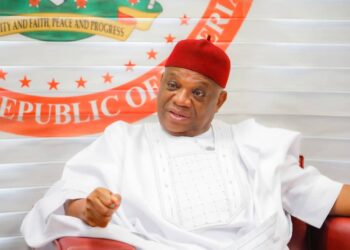
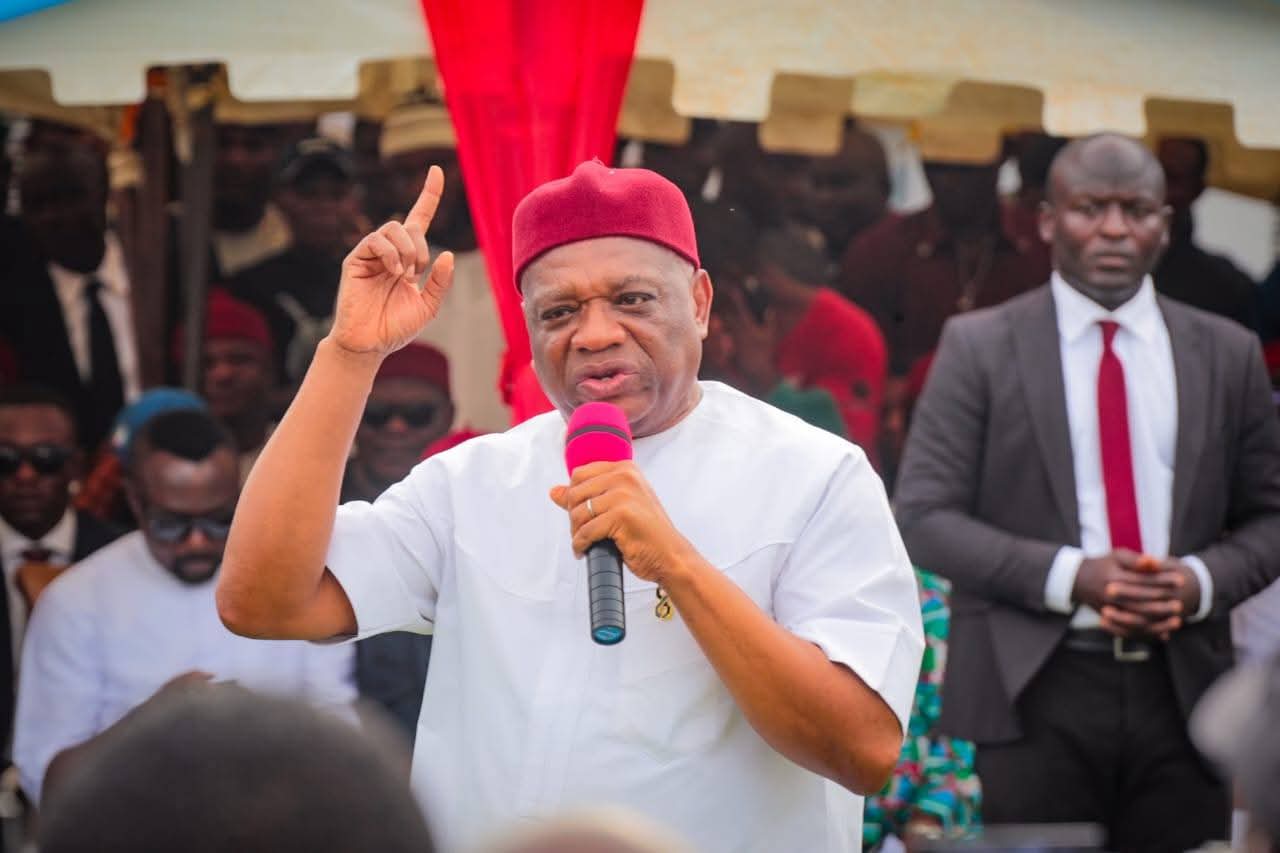
Senator Orji Uzor Kalu’s recent interview on Channels Television offered more than political commentary. It presented a consistent argument that Nigeria’s current challenges require dialogue, institutional respect, difficult but necessary reforms, and national unity rather than political confrontation.

One of the strongest messages from the interview was Kalu’s call for sustained engagement between the Federal Government and the Catholic Bishops’ Conference of Nigeria (CBCN). According to him, government should continue consulting the Catholic Church, other faith-based organisations and relevant stakeholders on issues affecting the nation. He believes that national development is better achieved through dialogue than through unnecessary disagreements.
Kalu also reaffirmed his deep respect for the Catholic Church, describing it as one of Nigeria’s most important institutions. He acknowledged the Church’s enormous contributions to education, healthcare, humanitarian services, peacebuilding and moral leadership. In his view, the Catholic Bishops were right to speak on the state of the nation because they have always served as the conscience of society. Their responsibility is to speak truth to power without political interest, and every responsible government should welcome such counsel.
Equally important was his insistence that President Bola Ahmed Tinubu did not insult or disrespect the Catholic Church. Kalu argued that comments made by presidential aides should not automatically be interpreted as the President’s personal position. According to him, President Tinubu maintains a cordial relationship with the Catholic Church, making calls for an apology unnecessary.
On democracy, Kalu dismissed claims that the Tinubu administration is pursuing a one-party state. He maintained that Nigeria’s democracy must remain competitive, the independence of the Independent National Electoral Commission (INEC) must continue to be respected, and citizens must enjoy their constitutional rights, including the right to peaceful protest. He stressed that constitutional democracy, political pluralism, the rule of law, religious freedom and credible elections remain essential pillars of the Nigerian state.
The economy featured prominently in his analysis. Kalu admitted that many Nigerians are experiencing genuine hardship, but argued that current realities should also be understood within the context of global economic disruptions. According to him, the Russia-Ukraine war, conflicts in the Middle East and disruptions to international trade have affected economies across the world, and Nigeria is not immune from those external pressures.
While acknowledging the difficult living conditions facing ordinary Nigerians, Kalu drew a distinction between the macroeconomy and the microeconomy. He argued that the macroeconomic indicators are gradually improving, pointing to a more stable exchange rate, moderating fuel prices, increasing investor confidence and growing foreign direct investment. At the same time, he admitted that the microeconomy remains under pressure and that many families are still struggling with the rising cost of living.
As a businessman, he said he understands the realities facing manufacturers and ordinary citizens. He also acknowledged that President Tinubu is aware of the hardship confronting Nigerians. However, he maintained that economic reforms are never painless, insisting that meaningful reforms require patience before their benefits reach households and businesses.
Kalu also linked the country’s economic difficulties to insecurity. According to him, insecurity has prevented many farmers from returning to their farms, thereby reducing food production and contributing to high food prices. He believes that ongoing security reforms, improved intelligence, better welfare for security personnel and strengthened operational capacity will eventually restore farming activities, improve food supply and ease the pressure on household incomes.
Throughout the interview, Kalu defended the administration’s reform agenda, arguing that the difficult decisions being taken today are intended to correct long-standing structural weaknesses, restore confidence in the economy and create a stronger foundation for sustainable growth.
Above all, his message was one of national unity. While recognising that government and the Catholic Church may not always agree on every issue, he maintained that both ultimately seek the same objective: a peaceful, united and prosperous Nigeria where citizens can live with dignity, security and hope.
Whether one agrees with all his conclusions or not, Senator Orji Uzor Kalu’s position reflects a consistent belief that dialogue should prevail over confrontation, reforms should be judged by their long-term outcomes, democratic institutions should be protected, and national development should remain the common goal of both government and society.