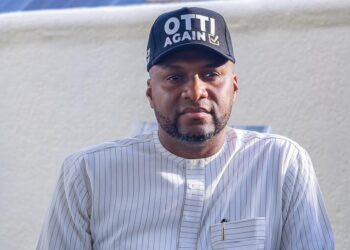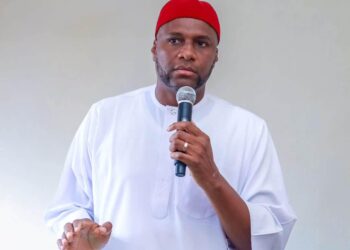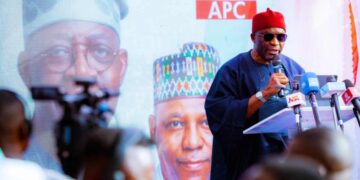


Nigerian entrepreneur, philanthropist and Labour Party candidate for the Bende Federal Constituency in the 2027 House of Representatives election, Chimaobi Desmond Anyaso, has called for a new generation of trust-based leadership and stronger institutions across Africa, arguing that the continent’s future depends more on the strength of its institutions than on the influence of individual leaders.
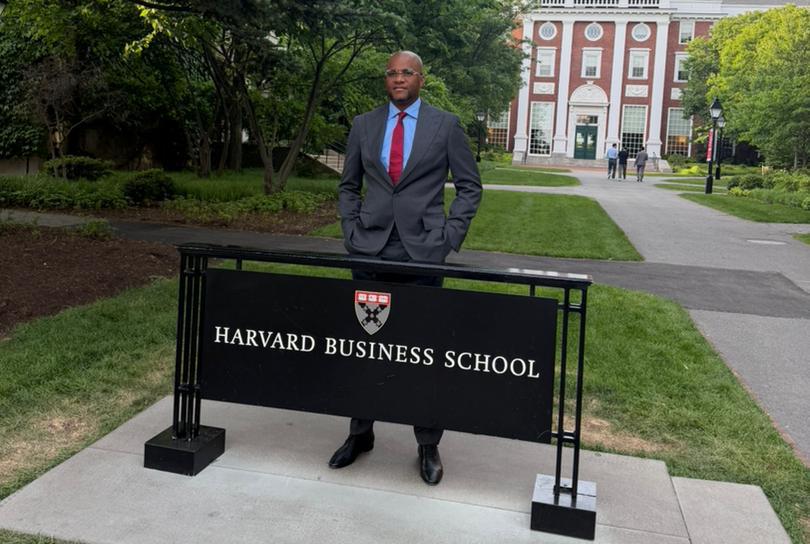
Anyaso made the call while speaking as a panelist at the 10th Anniversary Conference of the IFE Institute of Advanced Studies (IIAS) at Harvard University. The conference, themed “Building Lasting Institutions: Faith, Scholarship, and the African Project,” brought together academics, policymakers, entrepreneurs, faith leaders and members of the African diaspora from across the world.
Participating in a panel discussion on “Leadership, Governance and Institutional Trust,” Anyaso reflected on his transition from business and philanthropy into public service, describing leadership as a responsibility rooted in service rather than personal ambition.
According to him, societies often suffer when competent and principled citizens choose to remain outside the political process.
“When good people shy away from politics, bad people take over governance, and society becomes the victim. Leadership is not a position; it is a responsibility. It is the highest form of service,” he said.
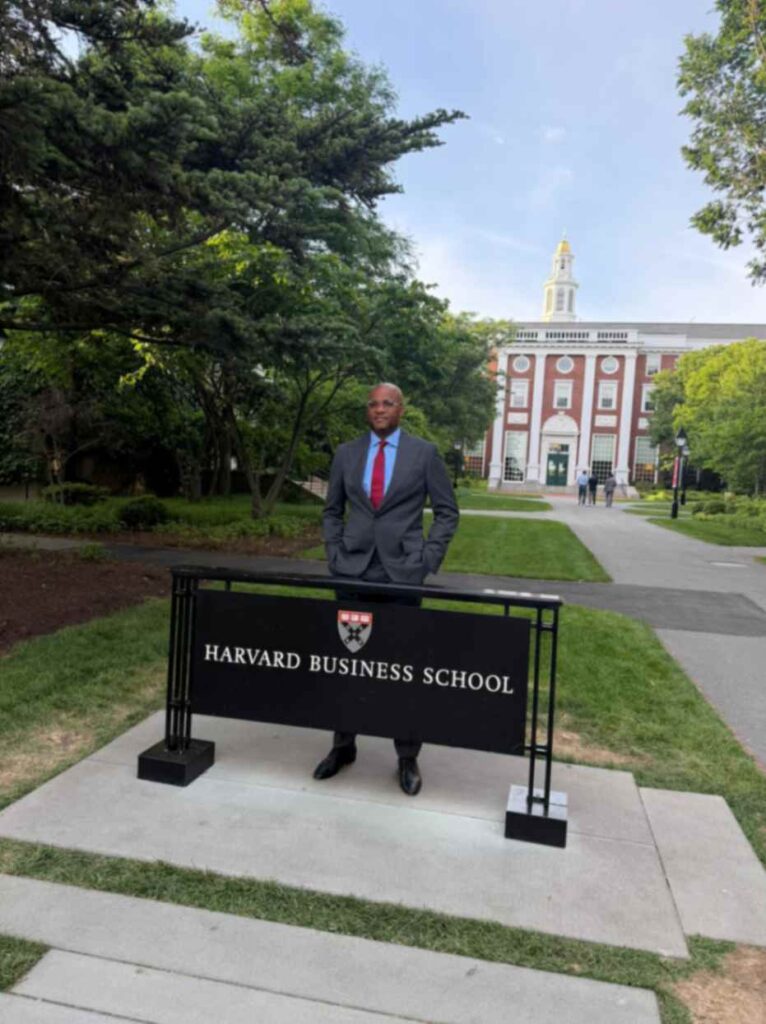
Introducing himself to participants, Anyaso spoke of his roots in Abia State and highlighted the developmental strides being recorded under the administration of Governor Alex Otti. He also commended Professor Jacob Olupona, founder of the IFE Institute of Advanced Studies, for creating a platform that promotes meaningful conversations on leadership, governance, faith and development.
A major focus of his presentation was the issue of trust, which he described as the most valuable asset in leadership and governance.
“The most valuable currency in leadership is not money, influence or position—it is trust. Once trust is established, institutions can thrive. Once trust is broken, even the strongest institutions begin to weaken,” he stated.
He argued that public confidence remains the foundation of effective governance, noting that citizens obey laws, investors commit resources and democracies flourish when institutions are trusted.
Anyaso further observed that Africa’s development challenges are not the result of a lack of talent or capable individuals but stem largely from weaknesses in institution-building.
“Africa has produced exceptional leaders, entrepreneurs, scholars and innovators. The challenge before us is converting individual excellence into institutional excellence,” he said.
He maintained that sustainable development requires accountable governance structures that can outlive political office holders and remain effective across generations.
Drawing lessons from his experience in business, Anyaso noted that successful organisations endure because they build systems rather than relying solely on founders or personalities. He stressed that principles such as accountability, corporate governance, succession planning and professional management are equally important in public institutions.
“Businesses that depend solely on the founder rarely survive beyond one generation. A business survives when systems replace personalities. The same principle applies to nations,” he said.
The businessman also warned that public trust erodes when institutions are perceived as unfair, politicised or corrupt, urging governments to embrace transparency, meritocracy, accountability and respect for the rule of law.
“The legitimacy of institutions is not determined by law alone but by the confidence people place in them,” he added.
Speaking on the role of faith and education in nation-building, Anyaso said faith-based institutions have a critical role to play in promoting moral leadership and accountability, while universities and research centres remain essential for producing knowledge and driving innovation.
“Leadership without character creates power without purpose. Faith reminds leaders that public office and private enterprise are ultimately acts of stewardship,” he said.
He also challenged African governments and stakeholders to invest more in youth development, entrepreneurship, technology, education and civic engagement, stressing that the continent’s future depends on its ability to continually produce competent and visionary leaders.
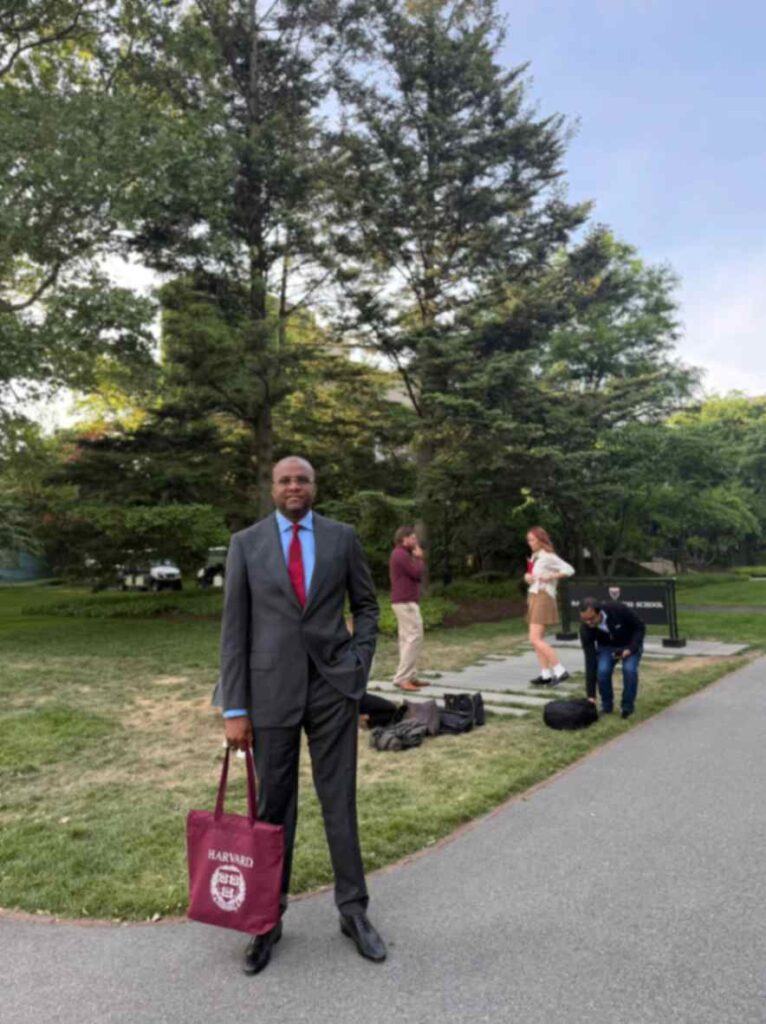
Anyaso described the African diaspora as one of the continent’s most valuable strategic assets, capable of connecting Africa’s vast potential with global opportunities.
In his concluding remarks, he urged leaders, policymakers, scholars, faith institutions and private sector actors to collaborate in building institutions that inspire confidence, deliver results and stand the test of time.
“The future of Africa will not be determined by the greatness of a few individuals. It will be determined by our ability to build institutions that inspire trust, deliver results and endure across generations,” he said.
He ended his address with a message that resonated strongly with participants at the conference:
“Strong men build moments. Strong institutions build civilizations.”
The conference featured robust discussions on leadership, governance, institutional trust and sustainable development, with participants exploring practical pathways for strengthening Africa’s institutions and securing the continent’s future.
For Advertisement, Press Release, Sponsored Post and Tip-Off, Contact Us at: Email: Info@abacitybloq.com |Whatsapp: +2347038111972 | Telegram: @Abacityblog